
Cybersecurity for Collectors: Protecting Your Digital Art Portfolio
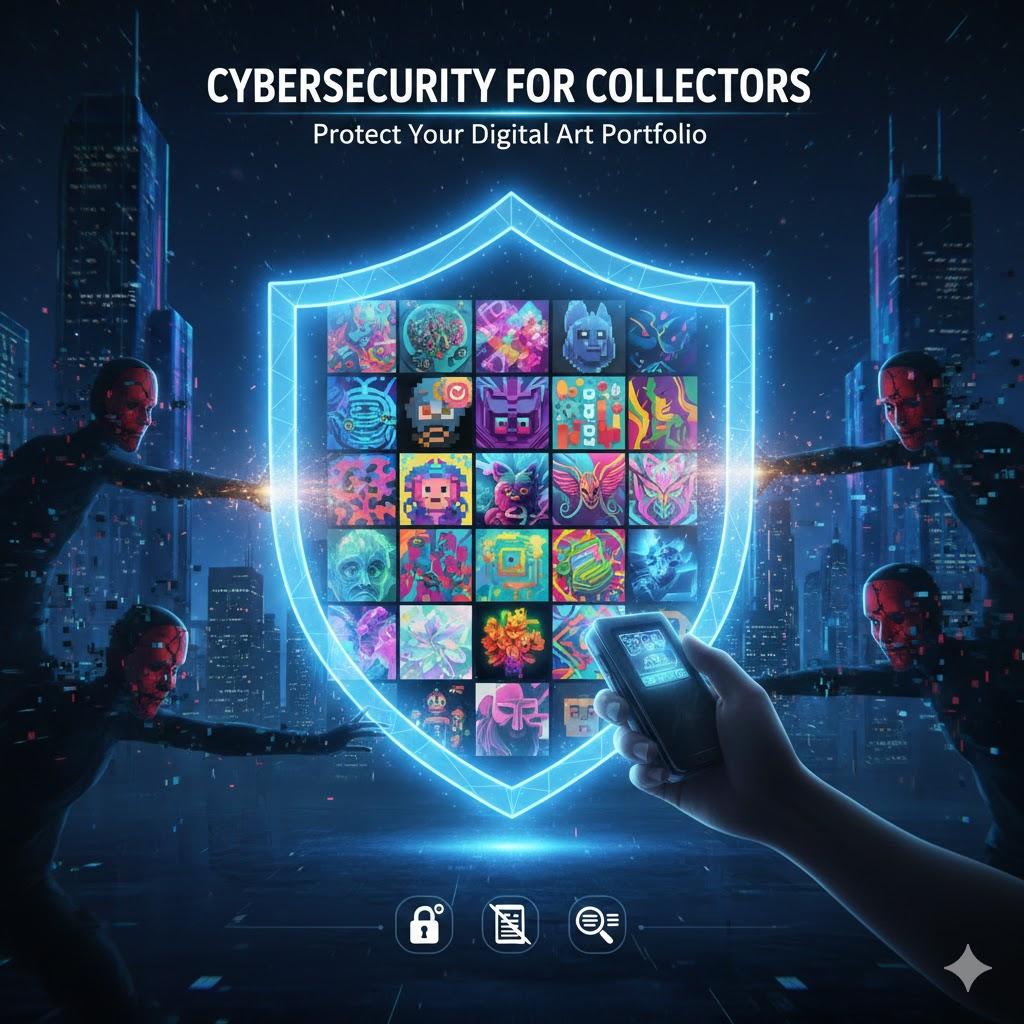
In the exciting world of digital art, collectors are building impressive portfolios of NFTs and other digital assets. But just like physical art, your digital collection needs protection. Cybersecurity for collectors isn't just a niche topic; it's an essential skill in safeguarding your valuable investments.
The Digital Wild West: Understanding the Risks
The digital art space, while innovative, can sometimes feel like the Wild West. Here's what you need to be aware of:
-
Phishing Scams: These are attempts to trick you into revealing sensitive information, like your wallet seed phrase or private keys. They often come in the form of fake emails, websites, or social media messages disguised as legitimate platforms.
-
Malware and Viruses: Malicious software can be designed to steal your cryptocurrency or access your digital assets. This can happen through infected downloads, malicious links, or even compromised websites.
-
Wallet Vulnerabilities: While cryptocurrency wallets are generally secure, human error or unpatched vulnerabilities can sometimes expose them to risk.
-
NFT Scams: These can range from fake NFTs being sold as originals to "rug pulls" where creators disappear after selling their collection.
-
Social Engineering: Attackers can manipulate you into performing actions or divulging confidential information, often by building trust or exploiting your curiosity.
Fortifying Your Digital Fortress: Essential Security Measures
Protecting your digital art portfolio requires a multi-layered approach. Here's how to build your digital fortress:
1. Wallet Wisdom: The Foundation of Security
Your cryptocurrency wallet is the gateway to your digital assets. Treat it with the utmost care.
-
Hardware Wallets are Your Best Friends: For significant investments, a hardware wallet (like Ledger or Trezor) is non-negotiable. They keep your private keys offline, making them virtually impervious to online threats.
-
Never Share Your Seed Phrase: This is the golden rule. Your seed phrase (or recovery phrase) grants full access to your wallet. Write it down physically and store it in a secure, private location. Never store it digitally or share it with anyone.
-
Beware of Impersonators: Legitimate platforms will never ask for your seed phrase. Anyone who does is a scammer.
-
Use Strong, Unique Passwords: For any online service connected to your crypto activities, use complex passwords that combine letters, numbers, and symbols. Don't reuse passwords.
2. Software Savvy: Keeping Your Digital Environment Clean
Your computer and mobile devices are potential entry points for attackers.
-
Install Reputable Antivirus Software: Keep it updated and run regular scans.
-
Keep Software Updated: Operating systems, web browsers, and any applications related to your crypto activities should always be up-to-date. Updates often include critical security patches.
-
Use a VPN: A Virtual Private Network can encrypt your internet connection, adding an extra layer of privacy and security, especially when using public Wi-Fi.
-
Be Cautious with Downloads: Only download software from trusted sources. Verify the legitimacy of any files before opening them.
3. Phishing and Social Engineering: Don't Take the Bait
These attacks exploit human psychology.
-
Verify Sources: Always double-check email addresses, website URLs, and social media profiles. Scammers often use slightly altered names or domains.
-
Think Before You Click: Hover over links before clicking to see the actual URL. If it looks suspicious, don't click.
-
Be Skeptical of Too-Good-To-Be-True Offers: If something sounds too good to be true, it almost certainly is.
-
Never Give Out Personal Information: Be wary of requests for sensitive data, even if they seem to come from a trusted source.
-
Educate Yourself: Stay informed about common scam tactics and red flags in the crypto and NFT space.
4. Smart Contract Security: Understanding the Underlying Tech
For those delving deeper into NFTs, understanding smart contracts is crucial.
-
Research Projects Thoroughly: Before minting or buying an NFT, research the project, its team, and its smart contract. Look for audits or reviews by security experts.
-
Understand Minting Processes: Be aware of how a project's smart contract functions during minting. Are there any unusual permissions being requested?
-
Revoke Permissions: Regularly review and revoke unnecessary smart contract permissions from your wallet using tools like Revoke.cash or Etherscan's token approvals.
The Future of Secure Collecting
As the digital art world evolves, so too will the methods of protection. Stay vigilant, stay informed, and always prioritize security. Your digital art portfolio is a testament to your passion and investment, and with the right cybersecurity practices, you can enjoy it safely for years to come.

 English (US)
 Arabic
 Spanish
 Portuguese
 Deutsch
 Turkish
 Dutch
Dutch
 Italiano
 Russian
 Romaian
 Portuguese (Brazil)
 Greek
Greek