
The Great Restitution: Why European Museums Are Returning African Treasures
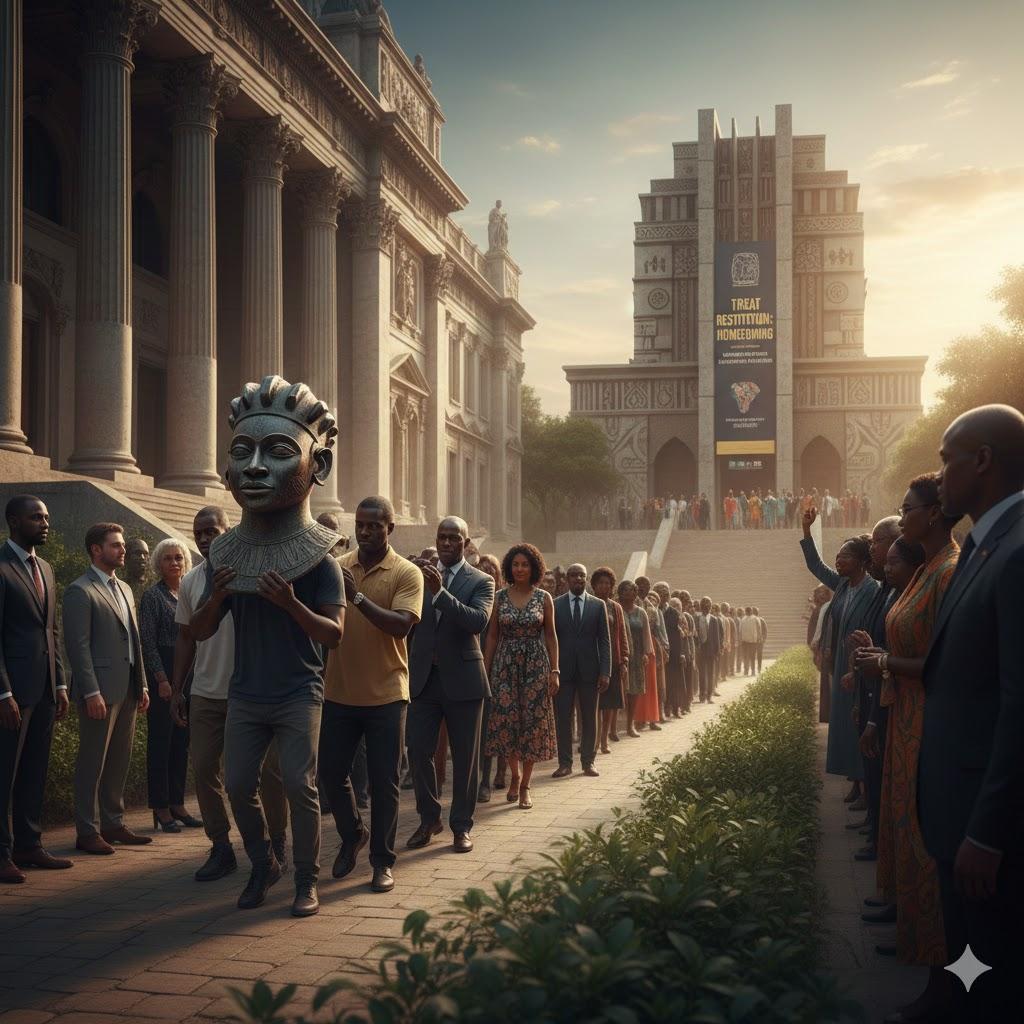
For centuries, European museums have housed an astonishing collection of African artifacts, many acquired during colonial rule. These objects, ranging from ancient sculptures to sacred masks, represent the rich cultural heritage of a continent. However, a seismic shift is underway, as a growing movement demands the return of these treasures to their rightful homes. This isn't just about emptying display cases; it's about acknowledging a complex history, rectifying past wrongs, and forging a more equitable future for cultural exchange.
A Legacy of Loot: Understanding the Historical Context
To truly grasp the significance of restitution, we must first understand the circumstances of how many of these artifacts ended up in European collections. During the 19th and early 20th centuries, as European powers carved up Africa, vast amounts of cultural property were looted, pillaged, or acquired through coercive means. This wasn't archaeological excavation; it was often outright theft, a systematic stripping of African identity and artistry.
For example, the Benin Bronzes, thousands of intricate plaques and sculptures from the Kingdom of Benin (modern-day Nigeria), were plundered by British forces in 1897 during a punitive expedition. These masterpieces, now scattered across museums worldwide, represent a particularly stark example of colonial violence and cultural dispossession. They are not merely beautiful objects; they are historical documents, spiritual conduits, and vital links to a living heritage.
The Moral Imperative: Why Restitution Matters
The arguments for restitution are multifaceted and deeply compelling:
-
Rectifying Historical Injustice: The return of these artifacts is a crucial step in acknowledging the injustices of colonialism. It's an admission that these objects were taken under duress and that their continued retention perpetuates a legacy of exploitation.
-
Cultural Reclamation: For many African nations, these objects are more than just art; they are integral to their identity, spirituality, and historical memory. Their return allows communities to reconnect with their heritage, revitalize traditional practices, and tell their own stories.
-
Decolonizing Knowledge: When African art is displayed in Western museums, it is often interpreted through a Eurocentric lens. Restitution enables African institutions and scholars to interpret and present their own cultural heritage, fostering a more nuanced and authentic understanding.
-
Promoting Equity and Partnership: Restitution isn't about severing ties but about building new, more equitable partnerships. It allows for collaborative exhibitions, research, and conservation efforts based on mutual respect rather than a colonial power dynamic.
Leading the Charge: Museums and Nations Embracing Change
The tide is turning, with several European nations and institutions taking proactive steps towards restitution. France, for instance, has been a significant player, following a report commissioned by President Emmanuel Macron that recommended the unconditional return of objects taken without consent. Germany has also made significant commitments, notably regarding the Benin Bronzes.
African nations, meanwhile, are increasingly vocal and organized in their demands. Nigeria has been at the forefront, advocating tirelessly for the return of the Benin Bronzes, while other countries like Ethiopia and Senegal are also pursuing the repatriation of their cultural heritage.
Beyond Repatriation: The Future of Cultural Exchange
While the focus is often on the physical return of objects, the restitution movement also sparks broader conversations about the future of cultural exchange. It encourages:
-
Collaborative Exhibitions: Instead of permanent ownership, perhaps long-term loans and collaborative exhibitions between African and European museums can become the norm, allowing wider access to these global treasures.
-
Digital Access: The digitization of collections, making them accessible online, can democratize access to cultural heritage, regardless of physical location.
-
Capacity Building: Supporting the development of museum infrastructure, conservation expertise, and curatorial training in African countries is vital to ensure that returned artifacts can be properly preserved and presented.
The great restitution is more than just a logistical challenge; it's a moral imperative and a powerful symbol of a changing world. It acknowledges the past, empowers the present, and paves the way for a future where cultural heritage is celebrated, respected, and shared on terms of true equity.

 English (US)
 Arabic
 Spanish
 Portuguese
 Deutsch
 Turkish
 Dutch
Dutch
 Italiano
 Russian
 Romaian
 Portuguese (Brazil)
 Greek
Greek