
The Ethics of AI in Film: Can Digital Actors Replace Human Emotions?
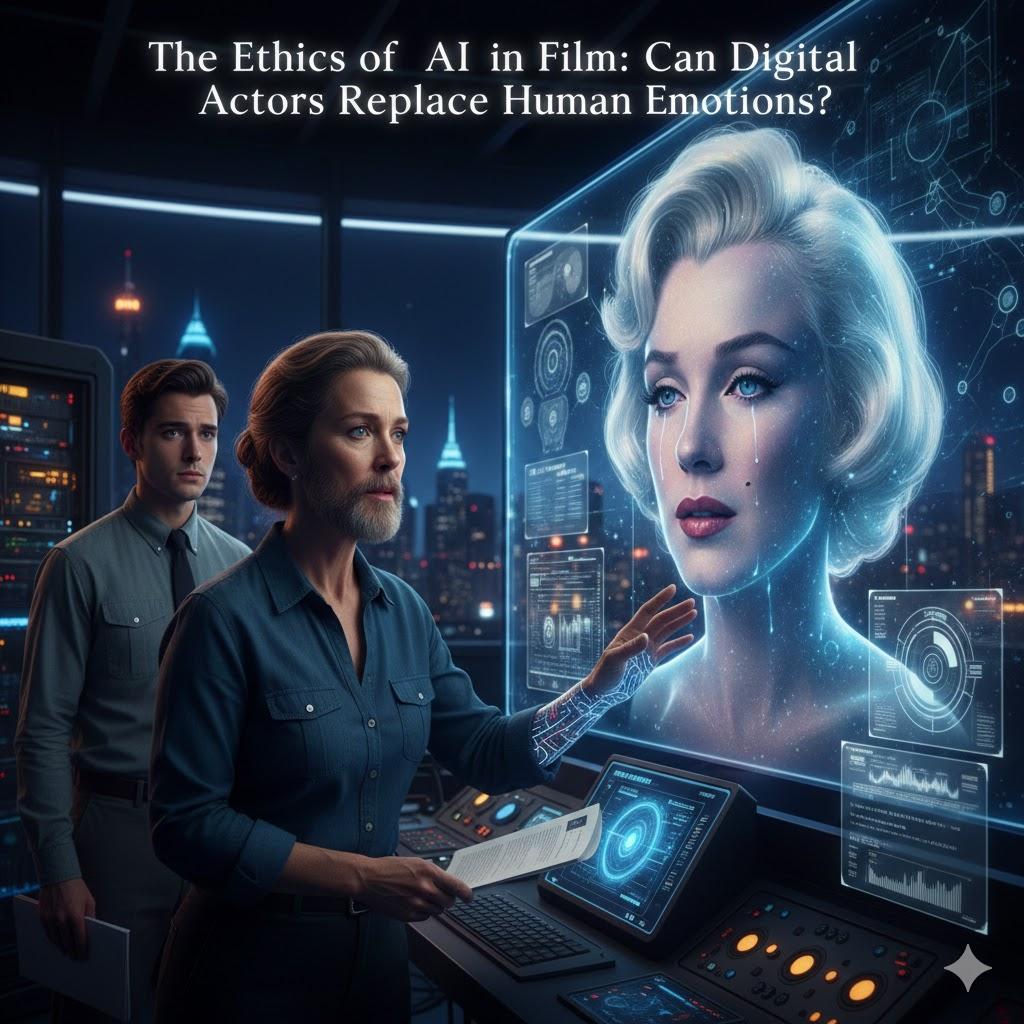
The glittering world of cinema has always been a fascinating blend of art and technology. From silent films to the advent of sound, from black and white to Technicolor, and from practical effects to sophisticated CGI, the industry has constantly evolved. However, with the rapid advancements in Artificial Intelligence (AI), we stand on the precipice of perhaps the most significant transformation yet: the rise of digital actors. This begs a crucial question: can AI truly replicate the depth of human emotion required for compelling storytelling? And what are the ethical implications of such a shift?
The allure of digital actors is undeniable. Imagine a world where beloved but deceased stars can grace the screen once more, where continuity errors are a thing of the past, and where dangerous stunts pose no threat to human life. AI offers the potential for absolute control over performance, allowing directors to fine-tune every nuance of a digital character's expression and movement. This could revolutionize filmmaking, making previously impossible creative visions a reality.
However, the very essence of acting lies in the ability to convey genuine human emotion, to tap into a reservoir of personal experiences and translate them into a relatable performance. Can algorithms, however complex, truly understand the subtle intricacies of grief, joy, love, or despair? While AI can mimic facial expressions and vocal inflections with remarkable accuracy, there's a profound difference between imitation and genuine feeling. The human element often brings an unpredictable, raw vulnerability that resonates deeply with audiences.
The ethical considerations extend beyond the artistic realm. The widespread adoption of digital actors could have a devastating impact on human actors, potentially leading to job displacement and a devaluation of their craft. What happens to the aspiring young actors, the seasoned veterans, and the vibrant acting communities that form the backbone of the industry? Furthermore, the use of AI to recreate deceased actors raises complex questions about consent, legacy, and intellectual property. Who owns the "performance" of a digital Marlon Brando or Marilyn Monroe?
Moreover, audiences connect with the human stories both on and off screen. The narratives of actors overcoming challenges, their personal journeys influencing their art, and the collaborative spirit of a human cast and crew are all integral parts of the cinematic experience. If films become solely products of algorithms and code, will they lose that vital human connection? Will the emotional impact be diminished if we know, at a fundamental level, that the "emotions" we are witnessing are merely simulations?
While AI undoubtedly offers incredible tools for filmmakers, we must approach the integration of digital actors with careful consideration and ethical foresight. The goal should not be to replace human emotion, but rather to enhance storytelling in ways that were previously unimaginable. Perhaps AI can serve as a powerful complement to human talent, creating fantastical creatures, populating vast crowds, or even de-aging actors for specific scenes.
The future of film will likely see a collaboration between human creativity and artificial intelligence. The challenge lies in finding the right balance, ensuring that technology serves art, rather than diminishing the very human emotions that make storytelling so powerful. The conversation around the ethics of AI in film is just beginning, and it's one we must continue to have as the industry evolves.

 English (US)
 Arabic
 French
 Portuguese
 Deutsch
 Turkish
 Dutch
Dutch
 Italiano
 Russian
 Romaian
 Portuguese (Brazil)
 Greek
Greek