
Xbox's Next-Gen Play: Ditching Hardware for a Pure Cloud Future?
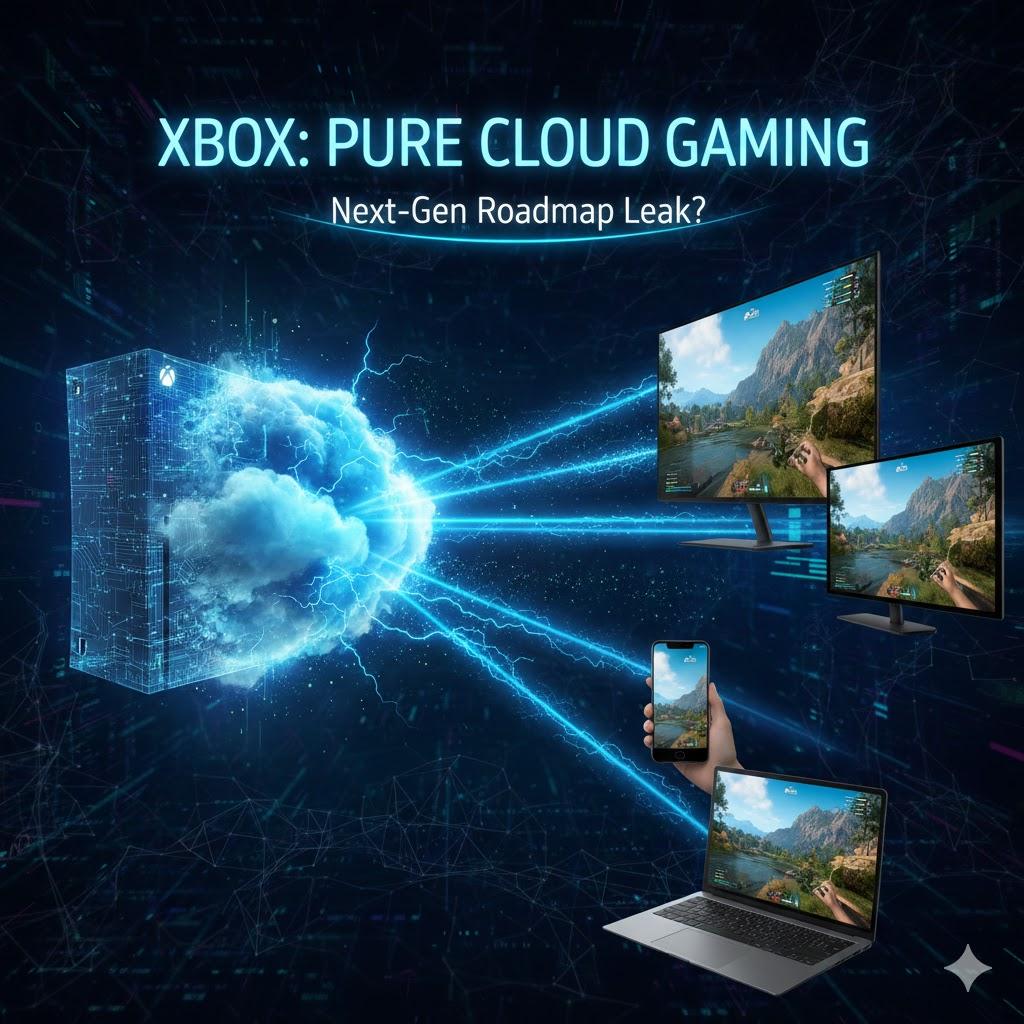
The gaming world is always buzzing with speculation, and lately, the rumor mill surrounding Xbox's next-generation strategy has been working overtime. Forget your traditional console refresh; whispers are suggesting a radical departure from the norm, potentially pushing Xbox into a purely cloud-based future. Could Microsoft be ready to abandon physical hardware as we know it, and embrace a streaming-first approach? Let's dive in.
The Shifting Sands of Gaming
For decades, the console wars have been defined by powerful hardware, exclusive titles, and the thrill of unwrapping a new machine. PlayStation, Nintendo, and Xbox have carved out their territories based on these tenets. However, the rise of cloud gaming services like Xbox Game Pass Ultimate (which already incorporates xCloud) and NVIDIA GeForce NOW has demonstrated a viable alternative. The promise of playing AAA titles on virtually any device, without the need for hefty downloads or expensive dedicated hardware, is incredibly appealing.
Why Go All-In on Cloud?
From a business perspective, a pure cloud strategy could offer several compelling advantages for Microsoft:
-
Wider Reach: Imagine playing the latest Forza or Halo on your smart TV, phone, or a low-spec laptop, without buying a console. This significantly broadens Xbox's potential audience beyond traditional console owners.
-
Reduced Manufacturing Costs: Ditching physical console production would eliminate massive R&D, manufacturing, and logistical expenses associated with hardware. This could free up resources for content creation and service improvements.
-
Consistent Experience: Cloud infrastructure allows for easier updates and ensures every player has access to the same high-performance experience, regardless of their local hardware limitations.
-
Subscription Dominance: This move would firmly cement Xbox's position as a service-first platform, bolstering the already successful Game Pass ecosystem.
The Hurdles and Realities
Of course, such a monumental shift isn't without its challenges.
-
Internet Infrastructure: The biggest hurdle remains internet access and latency. Not everyone has access to the high-speed, low-latency broadband required for a seamless cloud gaming experience. This could alienate a significant portion of the potential market.
-
Ownership vs. Access: Many gamers still value physical ownership of games and the ability to play offline. A purely cloud model shifts this to an "access" model, which might not appeal to everyone.
-
Data Caps and Costs: For players in regions with strict data caps, constant streaming could become prohibitively expensive.
-
Competition: While Xbox has a head start with xCloud, other tech giants are also investing heavily in cloud gaming, creating a competitive landscape.
A Hybrid Approach: The More Likely Scenario?
While a pure cloud future is an exciting prospect, a more realistic "next step" might involve a hybrid approach. Microsoft could release a low-cost, streaming-only "console" alongside a traditional, more powerful box. This would allow them to test the waters, cater to different market segments, and gradually transition users.
Regardless of the exact path, it's clear that Xbox is not afraid to innovate. The potential shift away from traditional hardware towards a cloud-centric ecosystem could redefine what it means to be a "console" in the years to come.
What do you think? Is Xbox ready to go all-in on the cloud, or will hardware always be a part of their strategy? Let us know in the comments!

 English (US)
 Arabic
 French
 Spanish
 Portuguese
 Deutsch
 Turkish
 Dutch
Dutch
 Italiano
 Russian
 Romaian
 Portuguese (Brazil)