
How Fractional Ownership is Democratizing the Fine Art Market
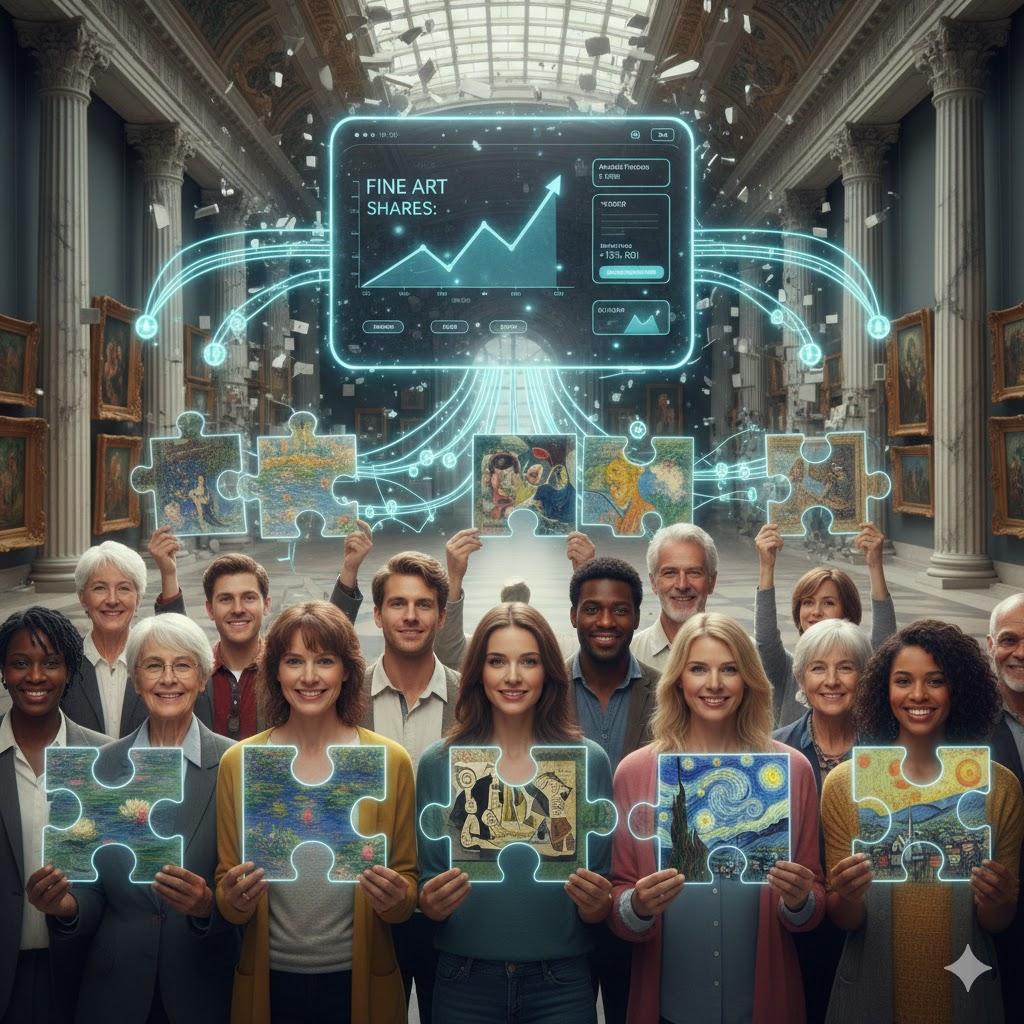
For centuries, the world of fine art has been an exclusive club, accessible only to the ultra-wealthy. Think grand auction houses, private viewings, and price tags that could buy a small island. But what if you could own a piece of a masterpiece without needing a king's ransom? Enter fractional ownership – a revolutionary concept that's democratizing the fine art market and opening its doors to a whole new generation of investors.
The Traditional Art Market: A High Barrier to Entry
Historically, investing in fine art required significant capital. A single painting by a renowned artist could easily cost millions, putting it out of reach for most individuals. This exclusivity also meant a lack of transparency and liquidity, making it difficult for new investors to enter or exit the market. The value of art was often subjective, and navigating the complexities of authenticity, provenance, and storage was a daunting task.
Fractional Ownership: Breaking Down the Barriers
Fractional ownership changes the game entirely. Imagine a high-value artwork being divided into smaller, more affordable "shares." Instead of buying the entire piece, you can purchase a fraction of it, becoming a co-owner alongside other investors. This model dramatically lowers the entry barrier, allowing individuals to invest in blue-chip art with a fraction of the capital previously required.
How Does it Work?
Typically, a platform or company acquires a valuable artwork. They then tokenize it, creating digital shares that represent ownership of the underlying asset. These shares are then offered to investors, who can buy and sell them on a secondary market. The artwork itself is usually stored in a secure, climate-controlled facility, managed by the platform. Investors receive a pro-rata share of any appreciation in the artwork's value when it is eventually sold.
The Benefits of Fractional Ownership:
-
Accessibility: The most significant advantage is the democratizing effect. Suddenly, a wider range of investors can participate in a market previously reserved for the elite.
-
Diversification: Fractional ownership allows investors to diversify their portfolios beyond traditional assets like stocks and bonds, adding a tangible and potentially high-performing asset class.
-
Lower Entry Cost: With shares often available for a few hundred or thousand dollars, it's a far more attainable investment than buying an entire artwork.
-
Potential for Appreciation: Fine art has historically proven to be a resilient asset class, often appreciating in value over the long term, offering a hedge against inflation.
-
Professional Management: Platforms typically handle the acquisition, authentication, storage, insurance, and eventual sale of the artwork, removing the logistical burden from individual investors.
-
Liquidity: Some platforms offer secondary markets where investors can buy and sell their shares, providing a level of liquidity previously unheard of in the traditional art market.
Challenges and Considerations:
While promising, fractional ownership isn't without its considerations:
-
Platform Fees: Investors should be aware of any management fees, transaction fees, or commissions charged by the platform.
-
Illiquidity Risk: While secondary markets are emerging, the liquidity of fractional shares might not always match that of publicly traded stocks.
-
Valuation Challenges: Art valuation can be complex and subjective, and investors should understand how the platform assesses and re-evaluates the artwork's value.
-
Regulatory Landscape: The regulatory environment for fractional ownership of art is still evolving, and investors should be mindful of any associated risks.
The Future is Fractional
Fractional ownership is undeniably shaking up the art world. It's not just about making art accessible; it's about shifting the perception of art from a luxury good to a viable investment asset. As technology continues to advance and more platforms emerge, we can expect this trend to gain even more traction, further democratizing the fine art market and inviting a broader spectrum of art enthusiasts and investors to share in its beauty and potential returns.
Imagine owning a piece of a Monet or a Picasso, knowing you're part of a growing movement that's reshaping how we interact with and invest in the world's most cherished artworks. The future of art ownership is here, and it's fractional.

 English (US)
 Arabic
 Spanish
 Portuguese
 Deutsch
 Turkish
 Dutch
Dutch
 Italiano
 Russian
 Romaian
 Portuguese (Brazil)
 Greek
Greek