
The Renaissance of Digital Art: Why Physical Galleries are Going Virtual
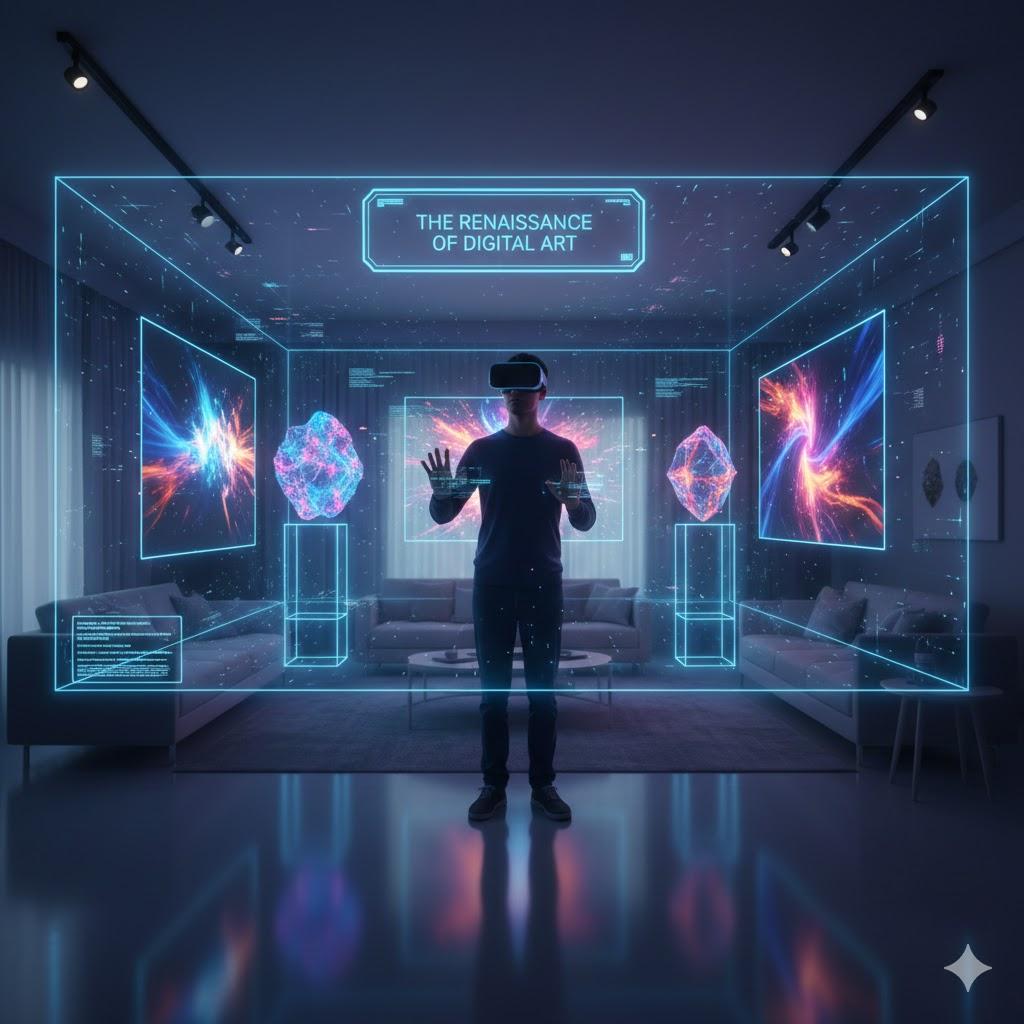
The art world is undergoing a fascinating transformation, a digital renaissance if you will. For centuries, the experience of art was intrinsically linked to hushed galleries, the scent of canvas, and the subtle shift of light on a sculpture. But with the rapid evolution of technology, digital art has not only come into its own but is also reshaping how we experience and consume art. The biggest shift? Physical galleries are increasingly going virtual, and for good reason.
A New Canvas, A New Medium
Digital art, once a niche, is now a vibrant and expansive genre. From intricate pixel art to breathtaking 3D renders, and from generative algorithms to immersive VR experiences, the possibilities are endless. Artists are no longer constrained by the limitations of traditional materials. They can experiment with dynamic elements, interactive features, and entirely new aesthetic languages. This freedom has attracted a new wave of creators and collectors, hungry for innovation.
Accessibility and Global Reach
One of the most compelling reasons for the rise of virtual galleries is unparalleled accessibility. Imagine a curated exhibition that can be viewed by anyone, anywhere in the world, at any time. No travel costs, no geographical barriers, no time zone constraints. This democratization of art access is revolutionary. Aspiring artists from remote corners of the globe can showcase their work alongside established names, and art enthusiasts who might never step foot in a prestigious New York or London gallery can now explore exhibitions from their living rooms.
Breaking Down Barriers: The Virtual Experience
Virtual galleries aren't just about displaying static images online. They are evolving into immersive experiences. Think interactive 3D spaces that mimic real-world galleries, complete with virtual navigation, detailed artwork descriptions, and even audio guides. Some platforms offer augmented reality (AR) features, allowing you to "place" a digital artwork on your own wall before committing to a purchase. This blend of technology and aesthetics creates a unique and engaging way to interact with art.
The Economic Edge
For artists and gallerists alike, the virtual realm often presents significant economic advantages. The overhead costs associated with maintaining a physical space – rent, insurance, staffing, utilities – can be astronomical. Virtual galleries drastically reduce these expenses, allowing for more flexible pricing structures, lower commissions, and ultimately, a greater share of the revenue returning to the artists. This makes art more attainable for a wider audience of collectors.
The Future is Hybrid
While virtual galleries offer numerous benefits, it's important to remember that they aren't necessarily replacing physical spaces entirely. Instead, they are creating a powerful synergy. Many traditional galleries are now incorporating virtual components, offering online viewing rooms, virtual tours, and digital exhibitions alongside their physical shows. This hybrid approach caters to a diverse audience and maximizes reach. The future of art appreciation will likely involve a seamless blend of both physical and digital experiences.
Conclusion: Embracing the Digital Dawn
The digital art renaissance is here, and virtual galleries are at its forefront. They are expanding horizons, fostering new forms of creativity, and making art more accessible and engaging than ever before. As technology continues to advance, we can only imagine the exciting innovations that lie ahead for the digital art world.

 English (US)
 Arabic
 French
 Spanish
 Portuguese
 Deutsch
 Turkish
 Dutch
Dutch
 Italiano
 Russian
 Romaian
 Portuguese (Brazil)