
How Blockchain is Finally Solving the Art Provenance Problem
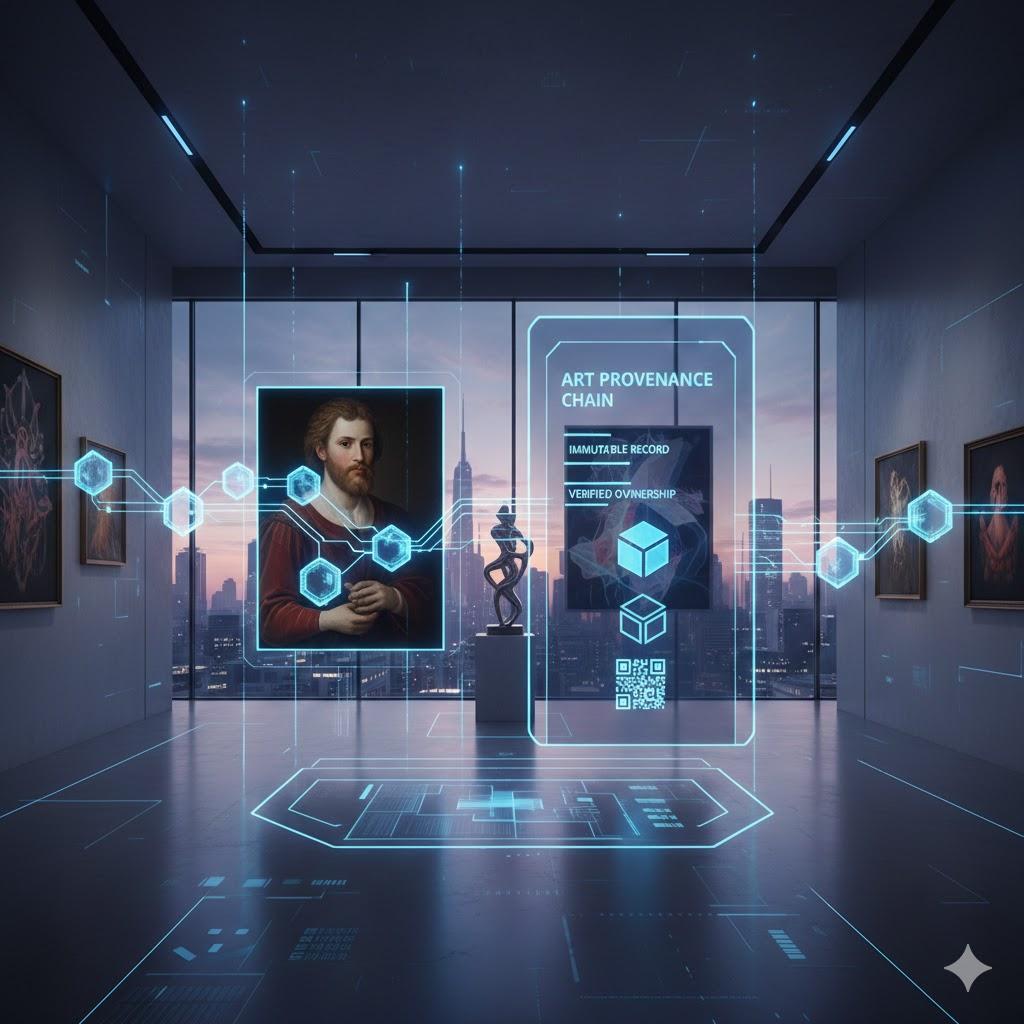
The art world, for centuries, has been plagued by a persistent and frustrating issue: provenance. Establishing the true history and ownership of a piece of art can be a labyrinthine task, riddled with unreliable paperwork, fraudulent claims, and a distinct lack of transparency. This not only devalues legitimate artwork but also makes it fertile ground for illicit activities like forgery and money laundering. But what if there was a way to create an immutable, transparent, and universally accessible record for every artwork? Enter blockchain technology.
The Problem with Traditional Art Provenance
Imagine a masterpiece changing hands over decades, even centuries. Each transaction, each owner, each exhibition adds a new layer to its story. Historically, this narrative has been documented through physical certificates, auction house records, expert opinions, and gallery invoices. While these methods have served their purpose, they are inherently vulnerable:
-
Forgery and Tampering: Physical documents can be easily forged, altered, or even lost.
-
Lack of Centralization: There's no single, universally recognized database for art provenance, leading to fragmented and often contradictory information.
-
Human Error and Bias: Expert opinions, while valuable, can be subjective, and human error in record-keeping is always a possibility.
-
Limited Transparency: The intricate details of ownership changes are often held privately, creating an opaque market that benefits bad actors.
These vulnerabilities create significant risks for collectors, investors, and even artists themselves, making due diligence a complex and often impossible endeavor.
Blockchain: The Game Changer
Blockchain, the distributed ledger technology behind cryptocurrencies like Bitcoin, offers a revolutionary solution to these age-old problems. At its core, blockchain is a decentralized, secure, and transparent database that records transactions in "blocks" linked together in a chronological chain. Once a transaction is recorded, it cannot be altered or deleted, creating an unchangeable audit trail.
Here's how blockchain is transforming art provenance:
-
Immutable Records: Every piece of information – from the moment an artwork is created, to its sale, exhibition, and subsequent changes in ownership – can be timestamped and permanently recorded on a blockchain. This creates an unalterable history that is virtually impossible to forge or tamper with.
-
Enhanced Transparency: While ownership details can be anonymized for privacy, the existence of a transaction and the path of ownership are transparent and verifiable by anyone with access to the blockchain. This drastically reduces the risk of stolen art re-entering the market or fraudulent claims being made.
-
Digital Fingerprints for Art: Each artwork can be assigned a unique digital token, often a Non-Fungible Token (NFT), linked to its physical counterpart. This NFT acts as a digital certificate of authenticity and ownership, providing irrefutable proof of its identity.
-
Streamlined Verification: Imagine instantly verifying the entire history of an artwork with a few clicks, rather than sifting through mountains of paper. Blockchain significantly streamlines the verification process, saving time and reducing the need for costly and time-consuming expert authentication.
-
Empowering Artists: Blockchain allows artists to directly register their creations, ensuring they are recognized as the original creators and can potentially earn royalties on future resales through smart contracts.
Real-World Applications and the Future
Several platforms are already leveraging blockchain to revolutionize art provenance. Companies are offering services to tokenize physical artworks, create secure digital registries, and even build entire marketplaces powered by blockchain technology.
The implications are vast. A more transparent and trustworthy art market benefits everyone:
-
Collectors and Investors: Gain confidence in their purchases, knowing the provenance is verifiable and secure.
-
Galleries and Auction Houses: Can operate with greater integrity and efficiency, reducing their exposure to fraudulent activities.
-
Artists: Receive proper recognition and protection for their creations, potentially unlocking new revenue streams.
-
Law Enforcement: Gains a powerful tool to track and recover stolen art, making the black market for illicit art far more difficult to navigate.
While the art world can be slow to adopt new technologies, the undeniable advantages of blockchain in solving the provenance problem are too significant to ignore. As the technology matures and adoption grows, we can anticipate a future where the history of every artwork is as clear, concise, and unassailable as the art itself. The days of questionable authenticity and murky ownership are slowly, but surely, becoming a relic of the past, thanks to the power of the blockchain.

 English (US)
 French
 Spanish
 Portuguese
 Deutsch
 Turkish
 Dutch
Dutch
 Italiano
 Russian
 Romaian
 Portuguese (Brazil)
 Greek
Greek