
The Death of the NFT? No, It Just Evolved into 'Digital Artifacts'
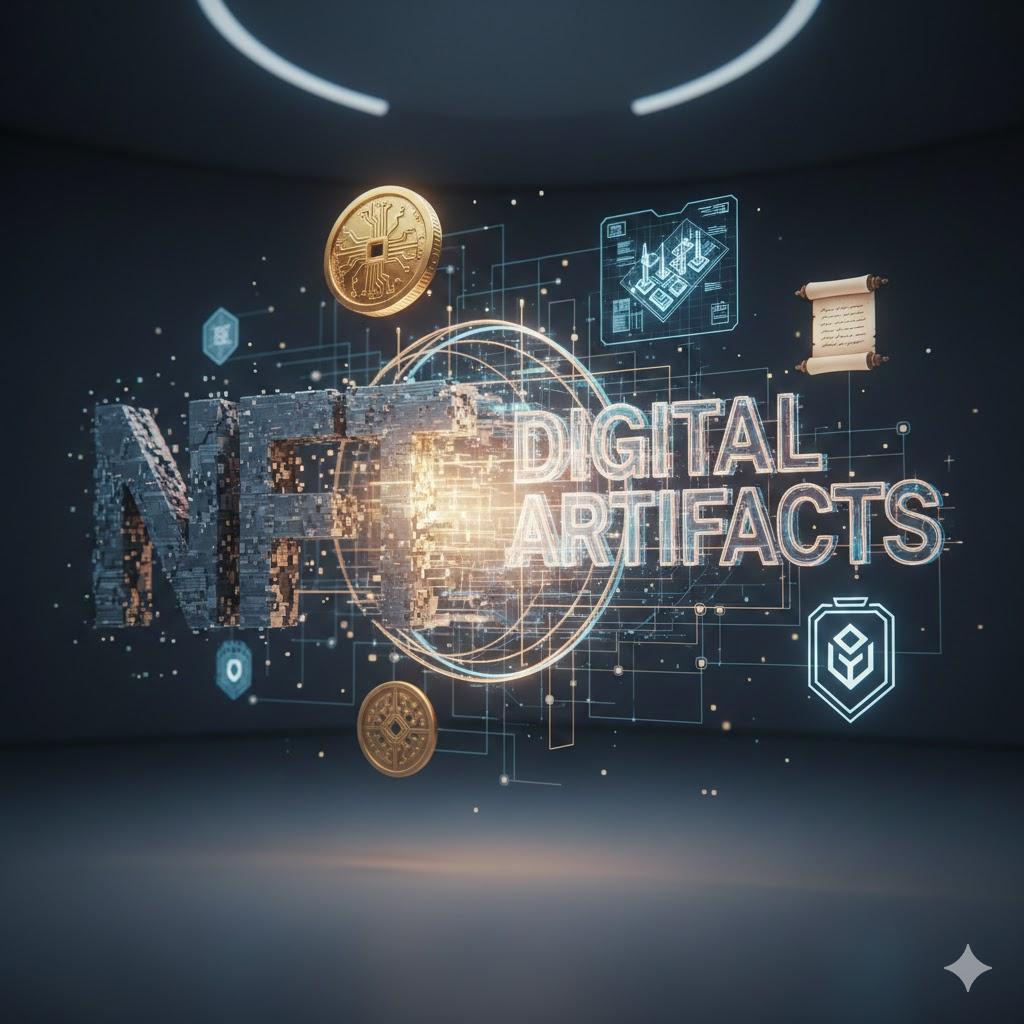
Remember the NFT craze? The eye-popping sales, the celebrity endorsements, the endless debates about what it all meant? For a while, it seemed like non-fungible tokens were everywhere, then, just as quickly, the hype cooled. Many declared the NFT dead. But what if, instead of dying, it merely evolved? Welcome to the era of 'Digital Artifacts.'
From Hype to Heritage: A New Perspective
The early days of NFTs were often characterized by speculation and a focus on quick flips. JPEGs of rocks selling for millions, pixelated punks dominating headlines – it was a wild west. While exciting, this era perhaps overshadowed the fundamental innovation behind NFTs: provable digital ownership and scarcity.
The current shift sees a move away from purely speculative assets towards items with intrinsic value, utility, or historical significance. Think of them less as speculative investments and more as digital versions of collectible items – art, historical documents, unique memorabilia. This is where the term 'digital artifact' truly shines.
What Defines a 'Digital Artifact'?
A digital artifact isn't just any NFT. It encompasses several key characteristics:
-
Authenticity & Provenance: Like traditional artifacts, digital artifacts come with an immutable record of their creation, ownership history, and authenticity, all secured on a blockchain.
-
Historical or Cultural Significance: These aren't just random digital files. They could be early examples of generative art, significant moments captured in a digital format, or foundational pieces within a burgeoning metaverse.
-
Utility & Functionality: Many modern digital artifacts offer more than just ownership. They might grant access to exclusive communities, unlock features in games, or serve as badges of honor within digital ecosystems.
-
Durability & Preservation: The blockchain ensures these artifacts are preserved, offering a digital heritage that can theoretically last forever, impervious to physical decay.
Why 'Digital Artifacts' Resonate Now
The shift in terminology isn't just semantics; it reflects a maturing market and a deeper understanding of blockchain's potential.
-
Reduced Speculation, Increased Value: By focusing on artifacts, the conversation moves from "how much can I sell this for next week?" to "what story does this tell?" or "what value does it provide?"
-
Broader Appeal: The idea of owning a piece of digital history or a functional digital item is more universally appealing than abstract "ownership" of a link to an image.
-
Real-World Integration: Digital artifacts are finding their way into fashion, gaming, intellectual property management, and even scientific research, demonstrating tangible applications.
The Future is Artifacts, Not Just NFTs
So, has the NFT died? Absolutely not. It has merely shed its skin, evolving from a raw, often misunderstood technology into something more refined and purposeful. The 'digital artifact' represents a paradigm shift – a recognition that the true power of non-fungible tokens lies in their ability to create lasting, meaningful digital possessions.
We're moving beyond fleeting trends and into an era where digital items can hold genuine historical, cultural, and personal value. The next time you hear someone declare the NFT dead, remember: it didn't die, it just grew up.

 English (US)
 Arabic
 French
 Spanish
 Portuguese
 Deutsch
 Turkish
 Dutch
Dutch
 Italiano
 Russian
 Romaian
 Portuguese (Brazil)